When a major storm knocks out power across Central Florida, a portable generator can feel like a total lifesaver. It keeps your refrigerator running, powers your fans, and charges your essential devices.
However, portable generators also introduce a major hazard if operated incorrectly. Statistically, carbon monoxide poisoning from improper generator placement is one of the leading causes of post-landfall injuries and fatalities in Florida.
To keep your household safe while keeping the lights on, follow these four critical safety laws this season.
1. Maintain a Strict 20-Foot Distance
Carbon monoxide (CO) is completely odorless, colorless, and tasteless—meaning you will have no warning if it begins filling your living space.
Always operate outdoors: Never, under any circumstances, run a generator inside your home, basement, crawlspace, shed, or garage.
The Garage Trap: Cracking the garage door open or running a fan does not provide enough ventilation to prevent toxic gas from building up to deadly levels.
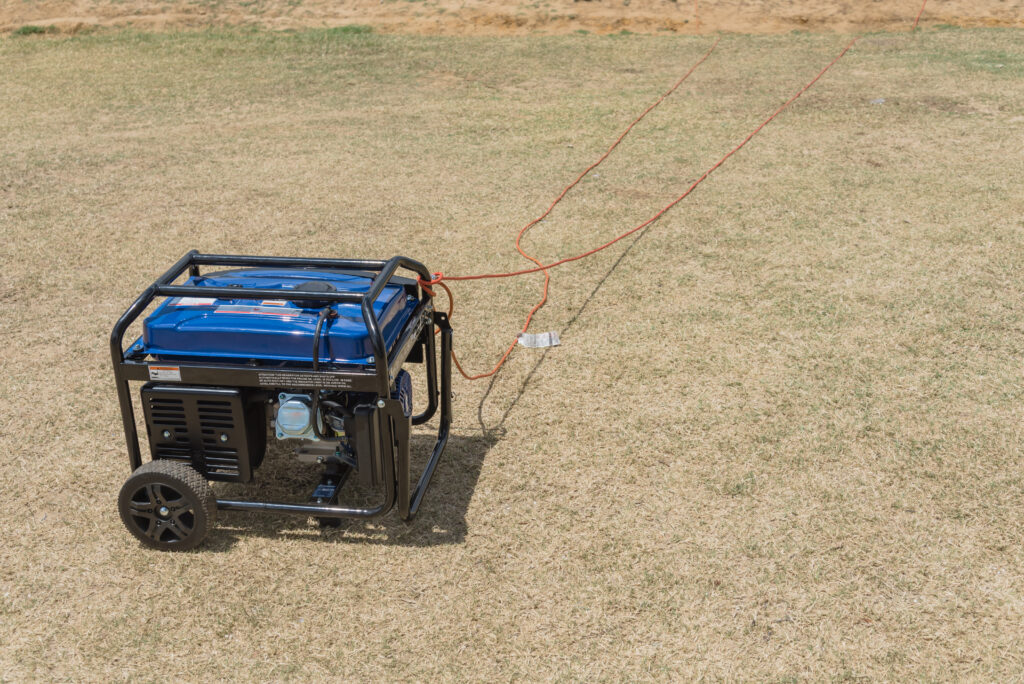
Keep your distance: As shown in the safety diagram above, place your generator at least 20 feet away from your home. Ensure the exhaust pipe faces entirely away from any doors, windows, vents, or garage entries that could pull the fumes back inside.
2. Install Battery-Powered CO Alarms
Because you cannot smell or see carbon monoxide, a dedicated alarm is your only defense.
Double-check your sensors: Ensure your home has working, battery-backed carbon monoxide detectors installed on every level, especially right outside sleeping areas.
Know the symptoms: If anyone in your home begins feeling dizzy, lightheaded, nauseous, or develops a sudden headache while the generator is operating, get outside into fresh air immediately and call 911.
3. Practice Safe Fueling Habits
Refueling a generator under pressure or in the dark is a common recipe for accidental fires.
Let it cool down first: Never pour gasoline into a generator while it is hot or still running. Turn the engine off and let it cool completely for at least ten to fifteen minutes before opening the fuel cap. Spilling gas onto a scorching hot engine block can trigger an instant flare-up.
Store fuel safely: Keep your backup gasoline supply stored in approved, tightly sealed containers in a well-ventilated space entirely separate from your living areas.
4. Prevent Backfeeding (Protect Our Utility Crews)
Placing power back into your home incorrectly can put city workers at extreme risk.
Plug appliances directly: The safest way to power your home is by plugging your refrigerator, fans, or chargers directly into the outlets located on the front of the generator using heavy-duty, outdoor-rated extension cords.
Never “backfeed”: Do not attempt to power your entire house by plugging your generator directly into a standard wall outlet. This incredibly dangerous practice sends high-voltage electricity backwards through your electrical lines and out onto the neighborhood grid. This can easily electrocute the line crews and utility teams working hard on local streets to restore our city’s power.